









THE FULL YOGIC BREATHING AND IT’S BENEFITS


The full Yogic breathing involves all 3 types of sectional breathing discussed before in previous blogs.

HOW TO DO:
The full Yogic breathing involves all 3 types of sectional breathing discussed before in previous blogs.
HOW TO DO:
The full Yogic breathing involves all 3 types of sectional breathing discussed before in previous blogs.
HOW TO DO:
1. Take a comfortable sitting position, make sure the head and spine are in one straight line in the centre.
2. Begin slowly by inhaling through the nose, let the air fill your lungs without stopping the movement.
3. Continue to inhale smoothly until your ribcages have expanded sideways.

Also known as Diaphragmatic Breathing.
Abdominal breathing is the natural way of breathing in line with the structure of our body. Inhalation pushes the diaphragm muscles downward which releases the abdominal organs outward which results in expansion of the belly. Exhalation pulls the diaphragm upward cause the flattering of the abdomen.
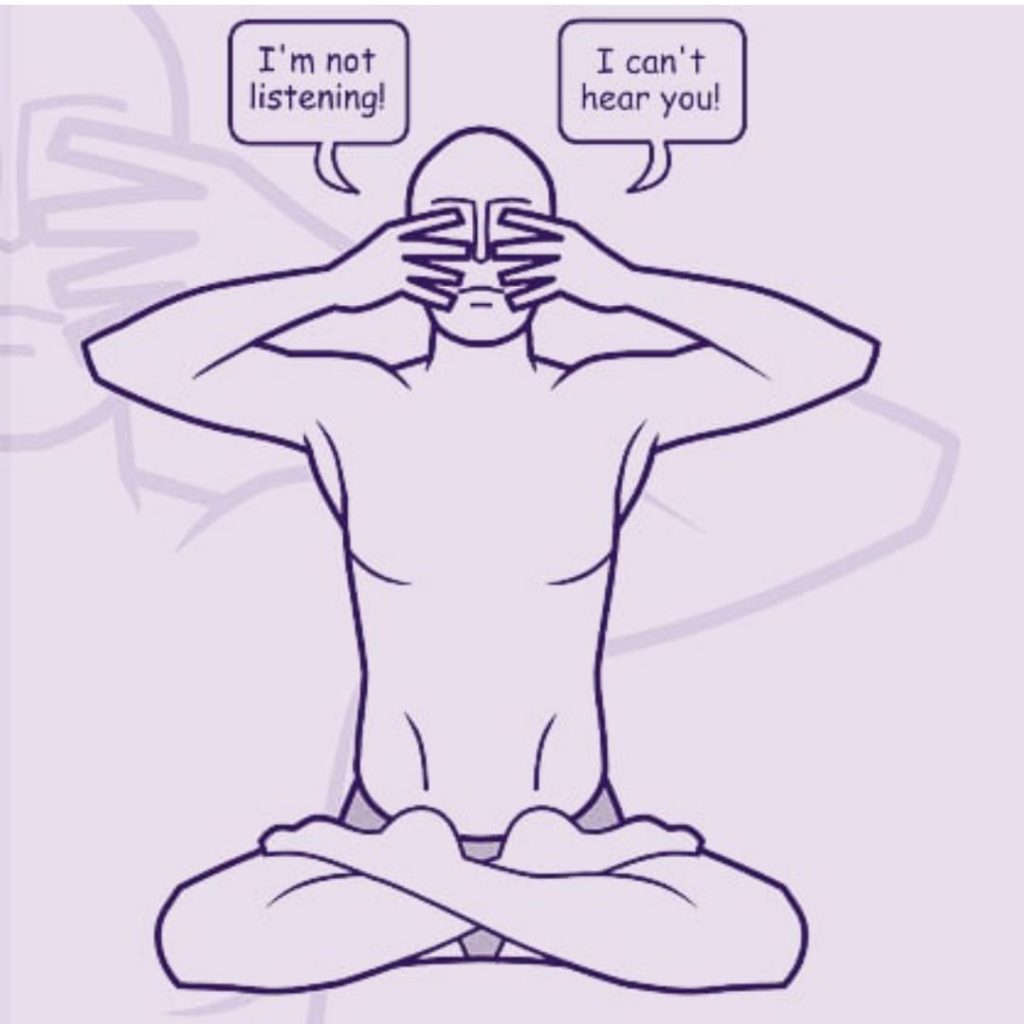
Bhramari stands for humming sound of a bee. In simple words producing a humming bee sound while exhaling means bhramari pranayama. This pranayama is a calming breathing exercise that helps to relax the nervous system and cool down our minds. This practice can begin to quiet the mind within a few breaths, for those who suffer from anxiety.
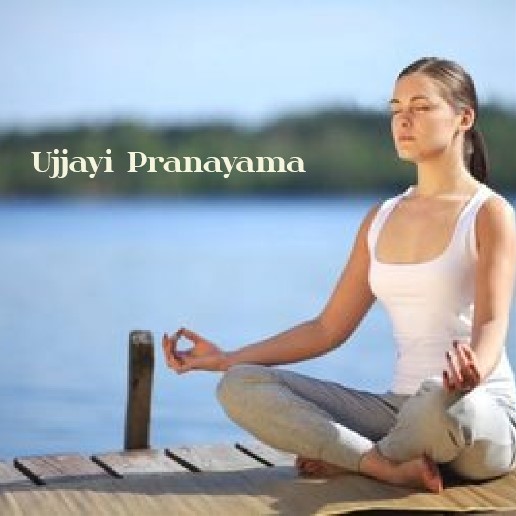
Ujjayi pranayama also referred to as ‘Victorious Breath’ or ‘Ocean Breath’ or ‘Cobra Breath’. It helps calm the mind and warm the body. When practising Ujjayi, you completely fill your lungs, while slightly contracting your throat, and breathe through your nose. This breathing technique is used throughout Ashtanga and Vinyasa yoga practices. It is part of the eight Kumbhakas of Hathayoga.
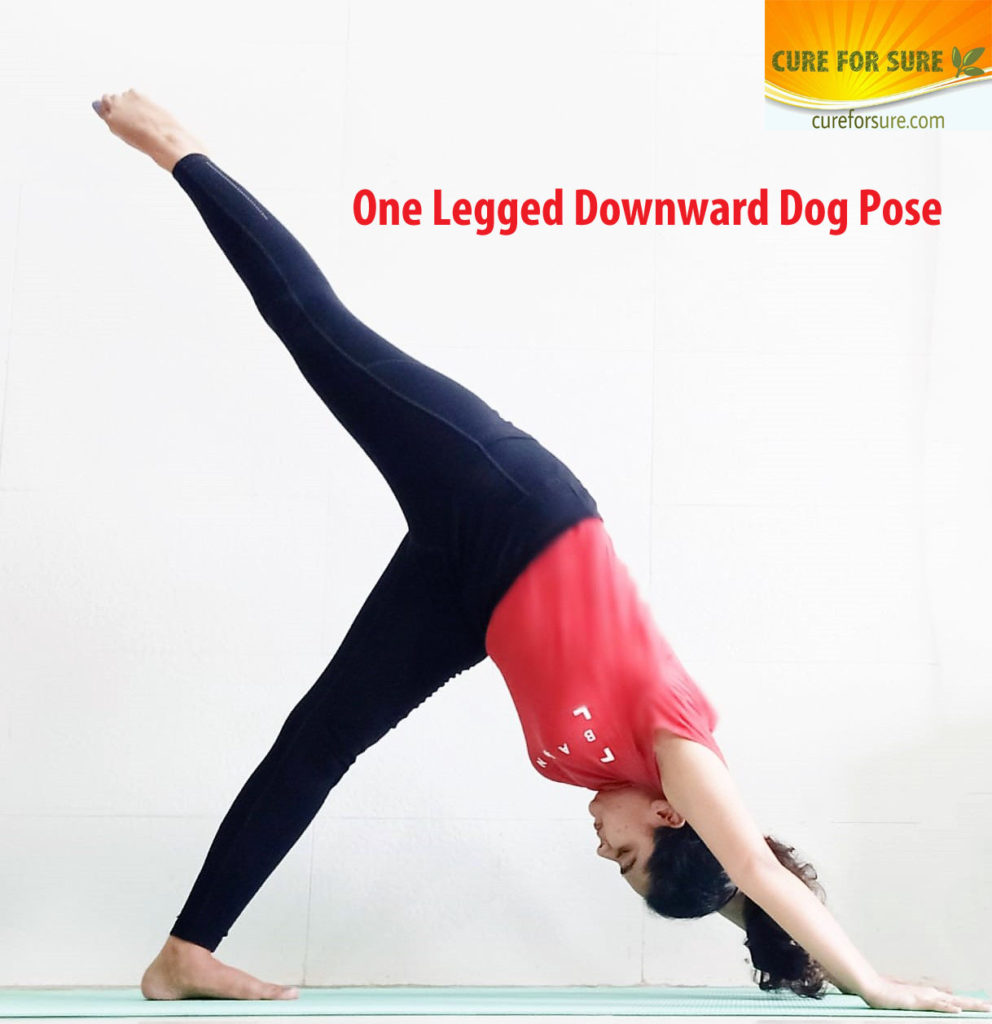
One-legged Downward dog or Three-legged Downward facing dog or Tri Pada Adho Mukh Svanasana is a modified and advanced level of the Downward dog pose also known as Adho Mukha Svanasana.
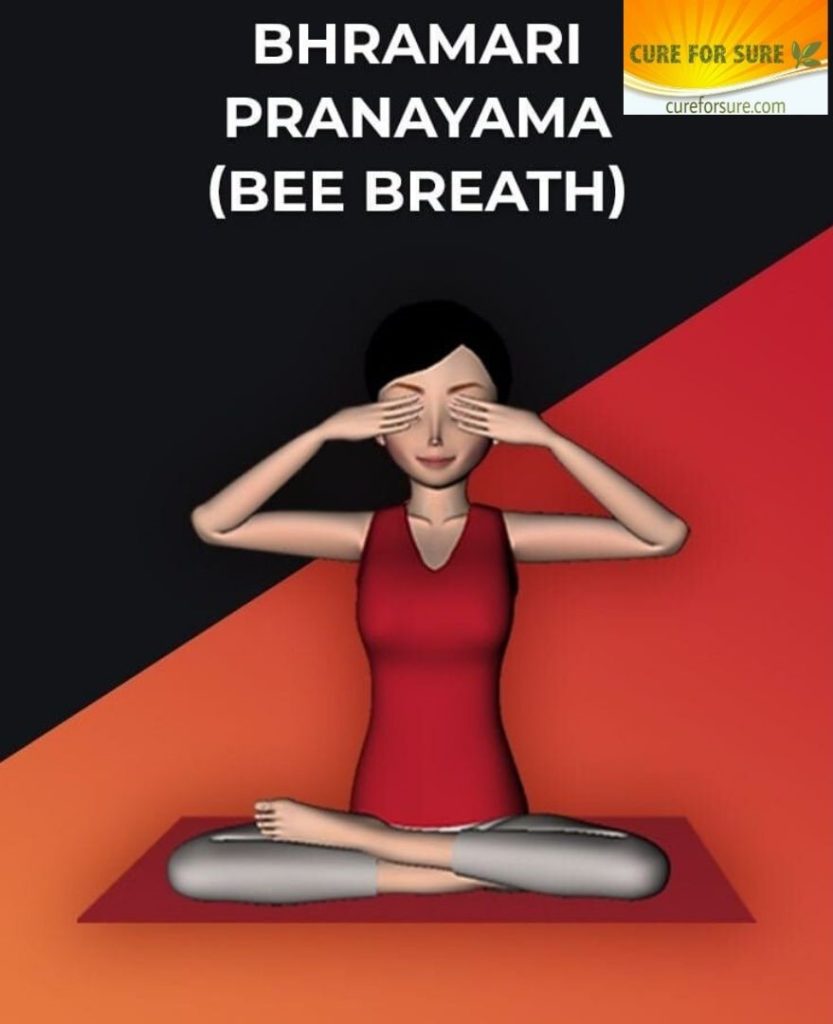
Bhramari comes from the Sanskrit word ‘Bramar’ – a black Indian bee. The resounding echo of the sound made by a humming bee is replicated in the practice of this Pranayama. The humming sound resonates in the head region bringing forth a sense of unity and concentration.